
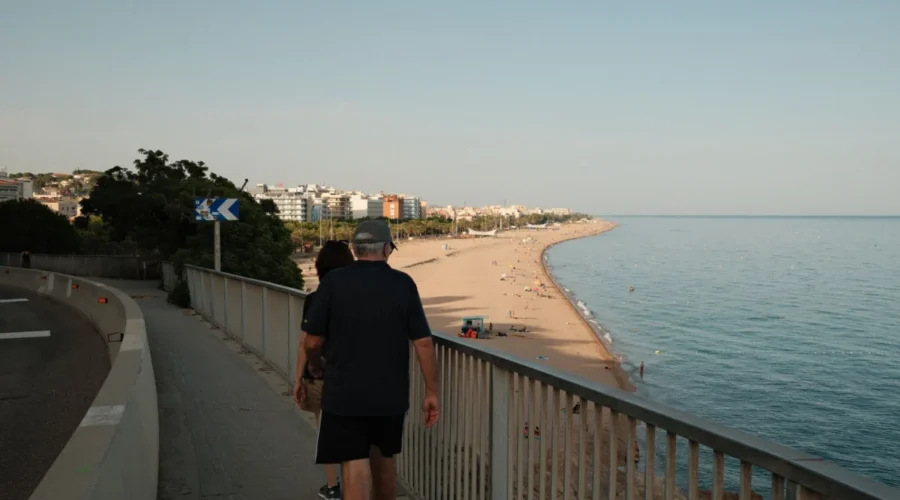
Walking from Torremolinos Town Centre to El Bajondillo Beach: Routes, Lifts and Practical Tips
Can you walk from Torremolinos town centre to El Bajondillo Beach? Absolutely. One of the great advantages of staying in central Torremolinos is that the Mediterranean Sea is just a short walk away. However, the town centre sits above the coastline, which means choosing the right route can make a considerable difference to your journey.
Whether you prefer picturesque streets, historic stairways, an easier descent using a public lift or a relaxed coastal walk, this guide explains how to get from central Torremolinos to El Bajondillo Beach and back.
Discover the best walking routes, lift options, accessibility considerations, local landmarks and practical tips for enjoying one of the most convenient beaches on Spain’s Costa del Sol.
Quick Answer: How Do You Walk from Torremolinos Centre to Bajondillo Beach?
The most popular walking route starts near Calle San Miguel, the main pedestrian shopping street in central Torremolinos. From here, visitors can descend towards El Bajondillo via the picturesque Cuesta del Tajo or use alternative routes such as Camino de la Playa.
A municipal lift also connects the upper town with the lower beach area, making the journey more manageable for visitors who want to avoid a steep descent.
At a glance:
- Starting point: Calle San Miguel, Plaza Costa del Sol or central Torremolinos.
- Destination: Playa El Bajondillo and its seafront promenade.
- Walking time: Allow approximately 10–20 minutes from central locations, depending on your starting point, route and pace.
- Most picturesque option: Cuesta del Tajo.
- Alternative route: Camino de la Playa, with historic steps and coastal viewpoints.
- Less strenuous option: The municipal lift, subject to operating conditions.
- Important consideration: Returning uphill is more demanding than walking down.
The journey is relatively short, but Torremolinos’ hillside geography makes it worth planning your route before setting off.
Why El Bajondillo Beach Is So Popular
El Bajondillo is one of Torremolinos’ best-known urban beaches, located immediately below the town centre between La Carihuela and Playamar.
Its convenient location makes it particularly attractive to visitors staying in central hotels, holiday apartments or accommodation near the railway station.
The beach extends for approximately one kilometre and features dark Mediterranean sand, a lively promenade, restaurants, beach bars and a variety of visitor facilities.
Unlike beaches that require a car or bus journey, El Bajondillo offers an appealing combination of urban convenience and seaside relaxation.
You can spend the morning exploring local shops, enjoy lunch near the waterfront and return to the centre for an evening out without travelling far.
For visitors planning their day, Torremolinos.city provides a local starting point for discovering businesses, restaurants, services and experiences around the destination.
Route 1: Calle San Miguel and Cuesta del Tajo – The Most Scenic Walk
For many visitors, the most memorable route from Torremolinos town centre to Bajondillo Beach is via Calle San Miguel and Cuesta del Tajo.
This route combines shopping streets, traditional architecture, souvenir shops and glimpses of the Mediterranean.
Step 1: Start at Calle San Miguel
Calle San Miguel is one of the most recognisable streets in Torremolinos.
Located in the pedestrianised town centre, it is lined with shops, cafés, boutiques and places to stop for refreshments.
Visitors arriving by train can reach the central shopping area before continuing towards the coastline.
As you walk along Calle San Miguel towards the sea, the surroundings gradually change from the busy commercial centre to the older streets leading downhill.
Step 2: Look for Torre Pimentel
Near the transition towards Cuesta del Tajo, visitors can discover Torre Pimentel, also known as Torre de los Molinos.
This historic tower is an important local landmark and a reminder of the town’s past.
The area is worth exploring before beginning the descent, particularly if you enjoy photography or discovering the history behind a destination.
Step 3: Follow Cuesta del Tajo Downhill
Cuesta del Tajo is a characteristic sloping street connecting the upper town with the Bajondillo area.
Along the way, you will encounter souvenir shops, local businesses and traditional buildings.
The street has a distinctly Mediterranean atmosphere, with narrow sections and an interesting mix of architecture.
Take your time and enjoy the surroundings rather than treating the route simply as a shortcut to the beach.
Important: Cuesta del Tajo is steep in places. Although walking downhill is generally manageable for active visitors, the return climb can be tiring, particularly during the hottest part of the day.
Step 4: Continue Towards the Seafront
Follow the downhill streets towards the lower Bajondillo neighbourhood and the beachfront promenade.
Once you reach the waterfront, you can enjoy the beach, explore nearby restaurants or continue walking along the coastline.
Best for: Couples, photographers, first-time visitors and anyone who enjoys exploring traditional streets.
Less suitable for: Visitors who have difficulty with steep gradients or need a consistently step-free route.
Route 2: Camino de la Playa – Historic Steps and Coastal Views
Another attractive way to reach Bajondillo Beach is via Camino de la Playa, a historic pedestrian route with stairways and scenic viewpoints.
This option is particularly appealing to visitors who enjoy walking and want a different perspective of the coastline.
Where Does Camino de la Playa Begin?
The route can be approached from the upper town around Calle Santos Arcángeles.
It descends towards the coastline through a series of stairways and pedestrian sections.
Along the way, walkers can enjoy views over the sea and the surrounding urban landscape.
What Makes This Route Special?
Camino de la Playa offers a more traditional walking experience than simply following a road downhill.
Its character comes from the steps, changes in elevation and viewpoints overlooking the Mediterranean.
The route includes the Mirador de Punta de Tarifa area, which provides an opportunity to pause and admire the coastline.
Some sections have been equipped with accessibility infrastructure, including stairlifts, but visitors should not assume that every part of the route will be independently accessible.
Are the Stairs Open at Night?
Official Torremolinos tourism information states that the Camino de la Playa stairway route is closed at night.
This is an important detail for visitors planning to return after dinner, drinks or an evening at the beach.
If you expect to return late, choose another available route and check local lift access arrangements.
Best for: Active walkers, sightseeing, photography and daytime exploration.
Less suitable for: Travellers carrying heavy luggage, visitors who cannot manage stairs or anyone planning to use the route after dark.
Route 3: Using the Municipal Lift to Reach Bajondillo Beach
If you prefer to avoid the steep descent, the municipal lift is an important alternative.
The lift connects the upper town around Plaza del Panorama, near Calle de las Mercedes, with the lower Bajondillo area around Plaza de los Tajillos and the nearby beachfront streets.
This makes it especially useful for visitors who want to reduce the physical effort of moving between the town centre and the coast.
Where Is the Bajondillo Municipal Lift?
The upper access is located around Plaza del Panorama, close to Calle de las Mercedes.
From the town centre, follow directions towards this area rather than descending Cuesta del Tajo.
The lift connects with the lower neighbourhood, from which visitors can continue towards the beach promenade.
Is the Lift Free?
Official tourism information has historically listed a fare of €0.50 per journey for the municipal lift.
However, fares, operating hours and service arrangements can change.
Check the current price and availability locally before relying on the lift, particularly if you are travelling outside the main tourist season or returning late in the evening.
Is There Another Lift?
Official tourism information also describes a lift associated with the Meliá hotel area.
Historically, this lift has operated mainly during the summer and may close around lunchtime.
It should therefore be considered a supplementary option rather than a guaranteed year-round public connection.
Why the Lift Matters
For visitors with reduced mobility, families with young children or people who simply want to avoid climbing steep streets in the summer heat, a working lift can significantly improve the experience.
Nevertheless, a lift does not automatically make the entire journey wheelchair-accessible.
The connecting pavements, gradients, entrances and final approach to the beach must also be considered.
Comparing the Best Routes from Torremolinos Centre to Bajondillo
Choosing the best route depends on your mobility, the weather, your interests and whether you are walking downhill or returning uphill.
| Route | Main advantage | Main consideration |
|---|---|---|
| Cuesta del Tajo | Traditional streets, shops and atmosphere | Steep gradients |
| Camino de la Playa | Historic steps and scenic viewpoints | Stairs and night-time closure |
| Municipal lift | Reduces the need to climb or descend the hillside | Operating conditions and possible fare |
| Meliá-area lift | Additional seasonal connection | Limited availability |
For a first visit, Cuesta del Tajo is a particularly enjoyable way to experience the town’s character.
For the return journey, the municipal lift may be more comfortable, especially during hot weather.
How Long Does It Take to Walk to Bajondillo Beach?
Walking time depends on your exact starting point.
A visitor staying near Calle San Miguel may reach the lower beach area considerably faster than someone starting farther inland.
As a practical planning estimate, allow approximately 10–20 minutes for a central-to-beach journey, with extra time for shopping, photographs or finding the lift entrance.
This is an approximate estimate rather than a measured walking time for a specific itinerary.
What About the Return Journey?
The return journey is where many first-time visitors notice the difference.
Walking downhill towards the sea may feel easy, but climbing back to the town centre involves a noticeable change in elevation.
In summer, strong sunshine and high temperatures can make the ascent feel more demanding.
If you are travelling with children, elderly relatives or anyone who finds steep hills difficult, plan the return before heading to the beach.
Accessibility: What Visitors Should Know
Accessibility deserves special attention because the upper town and the beachfront are separated by a steep hillside.
Visitors with mobility limitations should not assume that the shortest route is the easiest.
Wheelchair Users and Visitors with Reduced Mobility
The municipal lift may offer a useful connection between the two levels of town, but its operation and the accessibility of the surrounding streets should be checked before travelling.
Avoid routes involving historic stairways unless suitable, functioning assistance is confirmed.
It is also important to distinguish between reaching the beachfront promenade and reaching the sand itself.
Beach access facilities may vary according to the location and season.
Families with Pushchairs
Families travelling with pushchairs may find the lift preferable to routes with multiple steps.
However, the surrounding pavements and sloping streets can still require care.
A lightweight pushchair may be easier to manage, but a lift-based route is generally worth considering before choosing the historic stairways.
Older Visitors
Visitors who are comfortable walking on level ground may still find the climb back to central Torremolinos tiring.
Consider travelling downhill on foot and returning by lift when available.
Allow time for rest stops and avoid unnecessary exertion during the hottest hours.
What Will You Find at El Bajondillo Beach?
El Bajondillo is more than a convenient place to swim.
Its position directly below the centre makes it a natural meeting point between the urban and coastal sides of Torremolinos.
Beachfront Restaurants and Chiringuitos
The promenade features restaurants and traditional chiringuitos, where visitors can discover Mediterranean dishes and local Andalusian specialities.
Popular options include fried fish, seafood and espetos, the traditional sardines cooked over an open fire.
Restaurant opening times and seasonal availability vary, so check before making special plans.
You can also explore local businesses and places to visit in Torremolinos to discover more options around the destination.
Sunbathing and Swimming
El Bajondillo is an established urban beach with visitor services and a convenient central location.
Facilities may include sunbed and parasol rentals, showers and other amenities, depending on the season and current local arrangements.
Always follow beach safety signs and lifeguard instructions when swimming.
Walking Along the Promenade
One of the biggest attractions of Bajondillo is its connection to the wider Torremolinos coastline.
The promenade offers opportunities for walking, sightseeing and enjoying sea views.
You can continue towards Playamar in one direction or towards La Carihuela in the other.
This makes Bajondillo an excellent starting point for a longer coastal walk.
Places to Discover Near the Walking Routes
The journey between the town centre and Bajondillo Beach offers several opportunities to explore local landmarks.
Torre Pimentel
This historic tower is one of Torremolinos’ distinctive landmarks.
Located near the traditional route towards the beach, it adds historical interest to a short walk.
Calle San Miguel
The pedestrian shopping street is ideal for browsing boutiques, finding souvenirs and enjoying the atmosphere of central Torremolinos.
Casa de los Navajas
Close to the Bajondillo area, Casa de los Navajas is an architectural landmark associated with the town’s early twentieth-century heritage.
Its distinctive Neo-Mudéjar style makes it particularly interesting for architecture enthusiasts.
The Bajondillo Promenade
Once you reach the coastline, take time to explore the promenade rather than heading directly to the sand.
It is an excellent place to enjoy the Mediterranean atmosphere and discover local dining options.
Practical Tips for Walking to Bajondillo Beach
1. Wear Comfortable Shoes
Although the beach is close to the centre, some routes involve steep slopes or steps.
Comfortable footwear with good grip is preferable to slippery sandals when exploring the older streets.
2. Carry Water During Summer
The Costa del Sol can be very hot in summer.
Carry drinking water, especially if you plan to walk uphill after spending several hours on the beach.
3. Use Sun Protection
Sunscreen, sunglasses and a hat are sensible choices when walking along the exposed waterfront or returning uphill in strong sunshine.
4. Plan Your Return Before Sunset
Do not assume that all stairways and lifts remain available throughout the evening.
The Camino de la Playa stairway route is reported by official tourism information as closed at night.
Check the latest local arrangements before making plans.
5. Avoid Carrying Heavy Bags on the Steep Routes
Large beach bags, suitcases and heavy shopping can make the return climb uncomfortable.
If you are arriving with luggage, consider a route that avoids unnecessary stairs.
6. Take Time to Explore
The walk is not simply a transfer between two locations.
It is an opportunity to discover the traditional streets, architecture and small businesses that give Torremolinos its character.
A Suggested Half-Day Walking Itinerary
If you want to combine sightseeing with beach time, the following itinerary is a convenient introduction to central Torremolinos.
Morning: Explore the Town Centre
Start around Plaza Costa del Sol and Calle San Miguel.
Enjoy a coffee, browse the shops and take time to explore the pedestrian streets.
Late Morning: Walk Down to the Beach
Continue towards Torre Pimentel and descend through Cuesta del Tajo.
Stop to admire the traditional streets and take photographs along the way.
Lunchtime: Enjoy the Waterfront
Once you reach El Bajondillo, explore the promenade and choose a beachfront restaurant or chiringuito.
Enjoy a relaxed lunch with Mediterranean views.
Afternoon: Relax or Walk Along the Coast
Spend time on the beach or continue along the promenade towards Playamar or La Carihuela.
Both directions offer different coastal scenery and additional opportunities to discover Torremolinos.
Return: Choose the Most Comfortable Route
Before heading back to the centre, consider the temperature, your energy level and the availability of the municipal lift.
The return journey is an important part of planning a comfortable day.
Is Bajondillo Beach a Good Choice for Visitors Staying in Central Torremolinos?
Yes. For many visitors, Bajondillo is one of the most convenient beach choices when staying in the town centre.
Its main advantage is the combination of proximity, beachfront facilities and access to local businesses.
Visitors who prefer to avoid renting a car can explore the town centre and beach on foot, while making use of suitable transport or lift connections when needed.
It is particularly appealing for short holidays, couples, solo travellers and visitors who enjoy combining shopping, sightseeing and beach relaxation.
However, accommodation location matters.
A hotel advertised as being close to the beach may still be situated above a steep hill.
Before booking, check the walking route, elevation changes and whether the accommodation is located in the upper town or lower beachfront area.
Frequently Asked Questions About Walking to El Bajondillo Beach
Can you walk from Torremolinos town centre to Bajondillo Beach?
Yes. El Bajondillo is directly below the town centre and can be reached using Cuesta del Tajo, Camino de la Playa or other connecting streets. A municipal lift provides an additional option.
How long does it take to walk from Calle San Miguel to Bajondillo Beach?
Allow roughly 10–20 minutes depending on your exact starting point, route and walking pace. The return uphill may take longer.
Is the walk to Bajondillo Beach steep?
Some routes are steep, particularly Cuesta del Tajo. Camino de la Playa includes stairs. Visitors who want to reduce the climb should investigate the municipal lift.
Is there a lift from Torremolinos centre to the beach?
Yes. Official tourism information identifies a municipal lift connecting Plaza del Panorama, near Calle de las Mercedes, with the lower Bajondillo area around Plaza de los Tajillos.
How much does the Bajondillo lift cost?
Official tourism publications have historically quoted €0.50 per journey. This should not be treated as a guaranteed current fare; check locally for updated prices.
Is the municipal lift open all year?
Official tourism information describes the municipal lift as a year-round service. However, maintenance, closures and operating schedules can affect availability.
Can you use Camino de la Playa at night?
Official tourism information states that the stairway route is closed at night. Plan an alternative return route.
Is Bajondillo Beach suitable for families?
Yes. Its central location, beachfront promenade and nearby amenities make it a convenient choice for families. Parents should nevertheless plan carefully when travelling with pushchairs because of the hillside access.
Is Bajondillo Beach wheelchair-accessible?
Accessible facilities and lift connections are available in the area, but accessibility depends on the exact route, current lift operation and beach access arrangements. Check the relevant facilities before travelling.
Can you walk from Bajondillo to La Carihuela?
Yes. The coastal promenade connects the Bajondillo area with the neighbouring La Carihuela coastline, making it a popular option for a longer seaside walk.
Can you walk from Bajondillo to Playamar?
Yes. Playamar lies along the coastline on the other side of Bajondillo, and visitors can continue along the seafront.
Do you need a car to visit Bajondillo Beach?
No. Visitors staying in central Torremolinos can generally reach the beach on foot, making it an excellent option for a car-free holiday.
Which route offers the best views?
Camino de la Playa is particularly attractive for its elevated viewpoints, while Cuesta del Tajo offers traditional streets and an atmospheric descent towards the coast.
What is the easiest way to return to the town centre?
For visitors who find steep climbs difficult, the municipal lift is worth considering when operating. Otherwise, allow extra time and choose a comfortable walking route.
Official Information and Useful Resources
For authoritative information about the beach and local access routes, consult these two official resources:
- Torremolinos Official Tourism – El Bajondillo Beach – Information about the beach, walking routes, local facilities and lift connections.
- Spain’s Official Tourism Portal – El Bajondillo – National tourism information covering beach characteristics, facilities and access.
These sources provide useful background, although lift schedules, prices and individual services should always be checked locally.
Discover More of Torremolinos with Torremolinos.city
Walking from Torremolinos town centre to El Bajondillo Beach is one of the simplest ways to experience the contrast between the town’s lively streets and its Mediterranean coastline.
Whether you choose the traditional Cuesta del Tajo, the historic Camino de la Playa or the municipal lift, planning your journey helps you enjoy the beach without unnecessary stress.
And once you arrive, there is much more to discover than the sand and sea.
From restaurants and cafés to shops, leisure activities and local services, Torremolinos offers something for almost every type of visitor.
Make the most of your stay with Torremolinos.city, your local guide to discovering Torremolinos.
Explore businesses, attractions and places around Torremolinos and start planning your next experience on the Costa del Sol.